You'll Never Clap the Same Way Again: How Shiodome Is Rewiring American Concert Behavior
There's a moment that nearly every American first-timer describes when they get back from Shiodome. It doesn't happen during the show—it happens after. They're standing in a crowd at a hometown venue, some guy's phone is blocking their sightline, someone's shouting over the opening act, and a sticky floor is quietly ruining their shoes. And they think: it doesn't have to be this way.
That's the Shiodome effect. And it's spreading.
The Silence That Changes Everything
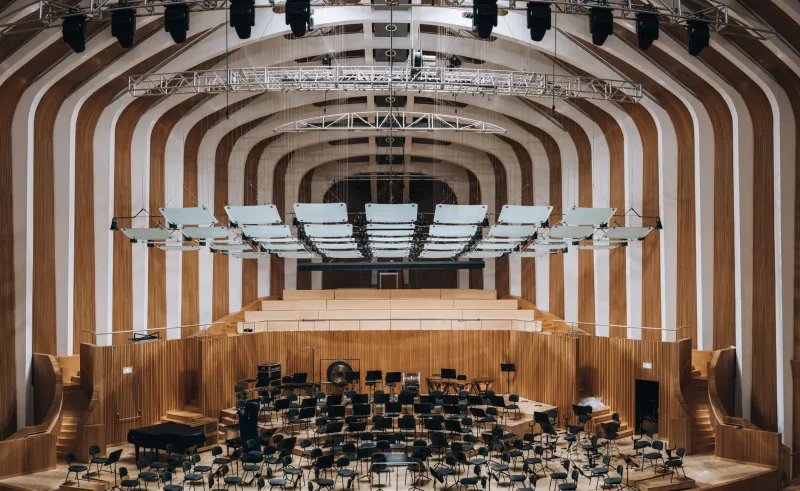
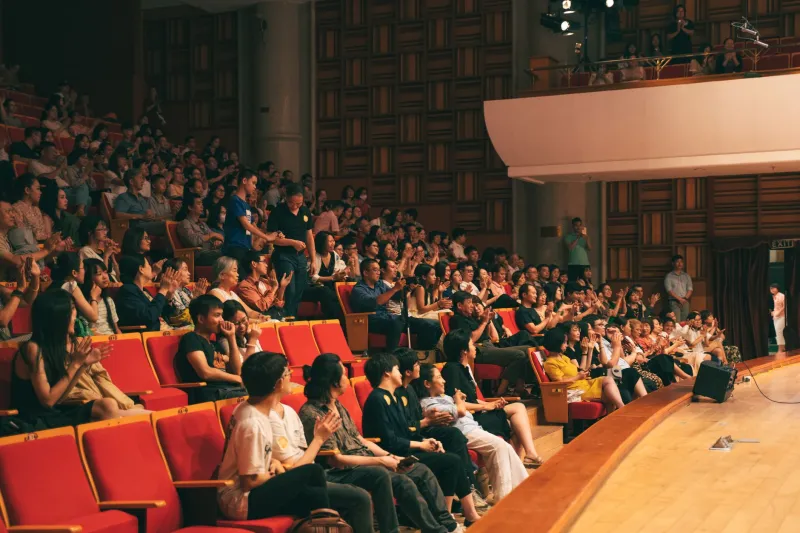
Ask anyone who's attended a performance at one of Shiodome's major concert halls or theaters, and the first thing they'll mention—almost without fail—is the quiet. Not the silence of a bored crowd, but the concentrated, intentional hush of thousands of people who are genuinely there for the music.
"I went to see a classical crossover show at one of the indoor venues near Caretta Shiodome, and I genuinely couldn't believe it," says Marcus, a 34-year-old from Austin who visited Tokyo last spring. "People weren't on their phones. Nobody was talking. When the performer finished a section, the applause was immediate and real—like everyone had been holding their breath together. I've been to Carnegie Hall and it wasn't like that."
That level of collective attentiveness isn't accidental. Japanese concert culture, particularly in established entertainment districts like Shiodome, carries deeply embedded social norms around respecting the performer and the shared experience. Audiences arrive on time. They follow cues from venue staff. They treat the space—and the artist—as something worth protecting.
Phone Culture: The Sharpest Contrast
If there's one thing returning visitors bring up most, it's phones. Specifically, the absence of them.
At many Shiodome performances, phone use during shows is genuinely rare—not because it's policed aggressively, but because the cultural expectation is simply different. Holding up a glowing rectangle between yourself and the stage is considered inconsiderate in a way that most Japanese audiences have internalized. You're not just recording; you're taking something from the people around you.
Sarah, a 29-year-old from Chicago who attended three shows during a two-week Tokyo trip, put it bluntly: "When I got back and went to a show at the United Center, I counted six phones in my immediate sightline within the first song. Six. And I kept thinking, everyone at that Shiodome show had their hands free, their eyes up, and they were actually there. It made me realize how much of American concert-going is just content creation."
This isn't a minor aesthetic preference—it's a fundamentally different relationship with live entertainment. And once you've experienced a crowd that's fully present, going back feels like a genuine loss.
Cleanliness as a Form of Respect
It's not just behavior toward the performer that's different. Shiodome's venues tend to maintain a standard of cleanliness and order that American concert-goers often find disorienting in the best possible way.
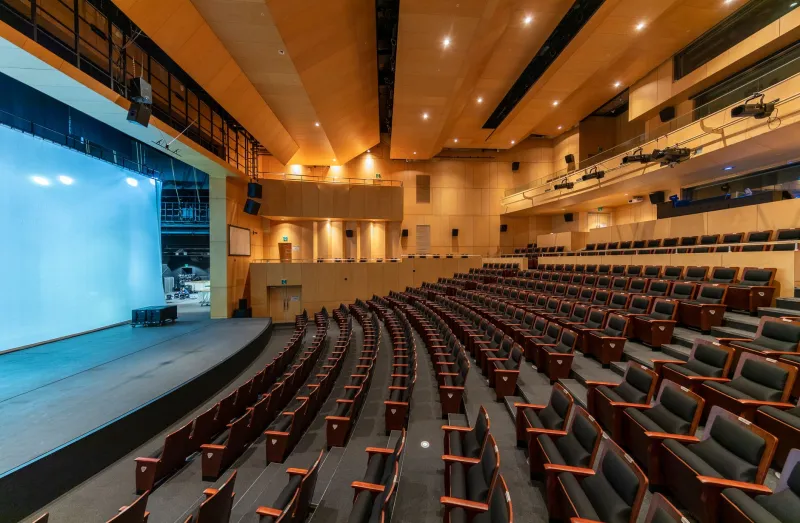
Concessions areas stay organized. Bathrooms are maintained throughout the event. Trash doesn't accumulate on the floor because audiences dispose of it themselves, consistently, without being asked. The venues themselves are designed with care—acoustics, sightlines, and comfort treated as non-negotiable rather than aspirational.
"I felt like I was being trusted as an adult," says Derek, a 41-year-old from Philadelphia who attended a J-pop showcase during a Shiodome weekend. "There wasn't this assumption that the crowd was going to trash the place. And so... nobody did. It sounds simple, but it completely changed how I felt about being there."
There's a feedback loop at work here. When a venue signals that it values its audience, the audience tends to reciprocate. When a venue treats its guests like potential liabilities, the atmosphere reflects that too.
The Re-Entry Problem
For many returning visitors, the adjustment back to American concert culture isn't just jarring—it's genuinely difficult to shake.
Marcus describes arriving at an outdoor festival in Texas a few weeks after his Shiodome trip and feeling a creeping frustration he couldn't quite explain. "I kept wanting to tell people to put their phones down. I kept noticing the trash. I wasn't enjoying myself the way I normally would have, because I'd seen what it could look like when everyone's on the same page."
This isn't just nostalgia for a vacation. It's a recalibration of expectations. And the people experiencing it aren't a fringe group—the number of Americans traveling to Tokyo specifically for live entertainment has been growing steadily, and Shiodome sits at the center of that draw.
Are US Venues Paying Attention?
Some, apparently, are starting to.
A handful of mid-size American venues have experimented with phone-free show policies in recent years, citing both artist requests and audience feedback. The response has been largely positive, particularly among older demographics who've grown increasingly frustrated with the screen-forward culture at live events. A few performing arts organizations have also introduced more explicit audience etiquette guidelines, moving away from the assumption that crowds already know how to behave.
Whether these changes gain traction at scale is another question. American concert culture is deeply commercial, and the pressure to keep alcohol sales moving and social media buzz flowing works against the kind of collective stillness that defines the best Shiodome experiences. But the conversation is happening, and a lot of it is being driven by people who came back from Tokyo with a new frame of reference.
What Could Actually Travel
Not everything about Shiodome's concert culture is easily exportable. Some of it is rooted in social dynamics and collective norms that have developed over decades and don't transfer by policy alone. You can't legislate attentiveness.
But some things are more practical. Phone-free zones or show-wide phone policies are already proving viable in the US. Clearer, more respectful communication from venues about expected behavior—framed as enhancing the experience rather than restricting it—has shown real promise. And simply designing spaces that signal quality and care, rather than throughput and concession revenue, can shift how audiences show up.
The Shiodome effect isn't magic. It's the result of a culture that decided, collectively, that live performance is worth protecting. Americans who've experienced it are bringing that idea home with them. And the more of them there are, the harder it becomes to go back to business as usual.
If you haven't made the trip yet, this might be the reason that tips you over the edge. Check what's coming up at Shiodome's venues—and start thinking about what you want your concert life to look like on the other side.