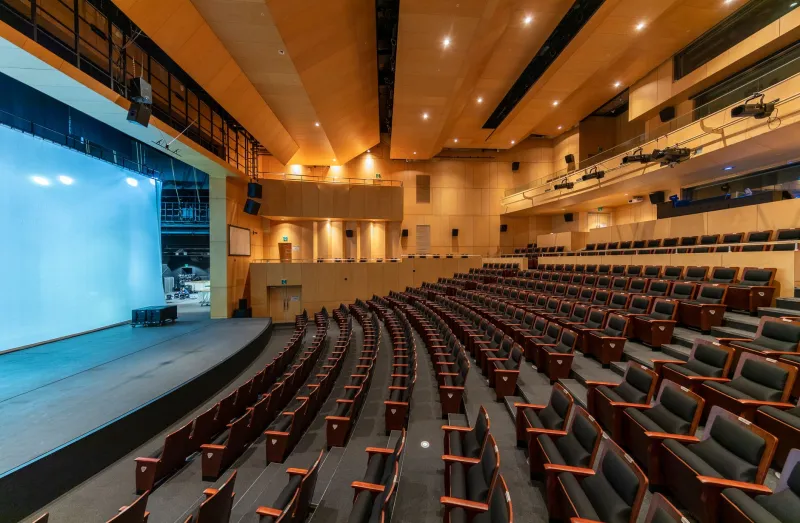
Homework Before the Spotlight: Why Smart Artists Are Studying Japanese Audience Culture Before Setting Foot on a Shiodome Stage
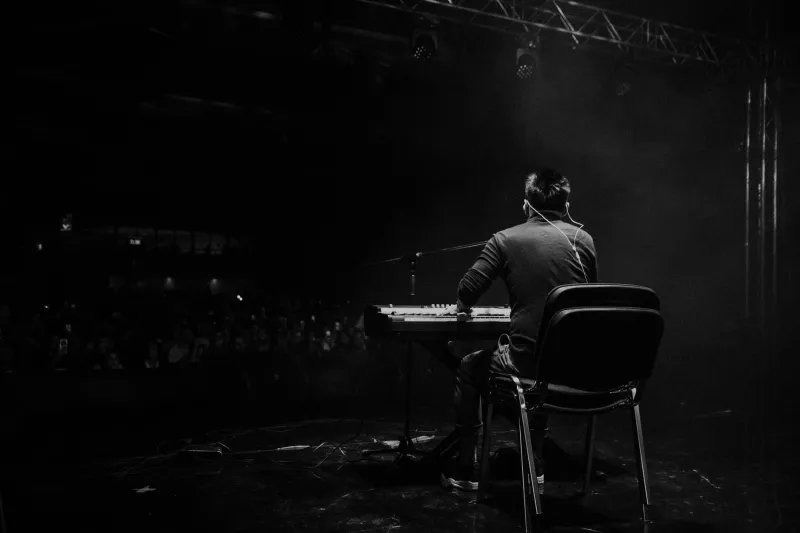
There's a moment that almost every Western musician describes in nearly identical terms after their first Shiodome show. They walk out, the lights drop, and instead of the wall of noise they've been conditioned to expect — the screaming, the phones going up, the chaos of a crowd warming itself up — they get something else entirely. Stillness. Attention. A focused, collective silence that somehow feels louder than any roar.
For artists who haven't prepared for it, that silence can be genuinely disorienting. For the ones who've done their homework? It's the moment they've been waiting for their whole career.
A growing number of international musicians are now treating Japanese concert etiquette as essential pre-tour preparation — not an afterthought, not a fun cultural footnote, but actual required reading before they step onto any stage in Shiodome's entertainment district. And the ripple effects of that preparation are showing up in performances far beyond Tokyo.
The Silence Isn't Empty — It's a Signal
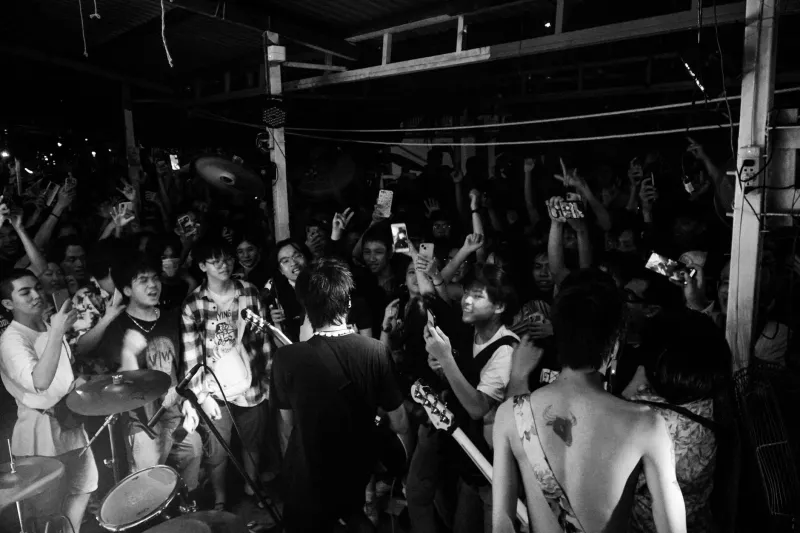
American concert culture is built around a certain kind of energy exchange. Crowds cheer between songs. They shout requests. They talk through the quieter moments. The noise is part of the deal, almost a form of encouragement. It signals enthusiasm, and artists have learned to feed off it.
Japanese concert audiences operate on a completely different frequency. The quiet between songs isn't indifference — it's respect. It's the crowd giving the performer space to exist, to breathe, to decide what comes next without pressure. Applause arrives fully and genuinely, then stops. There's no ambient crowd chatter bleeding into the next song's opening notes.
For artists used to filling silence with nervous energy or banter, that shift requires real mental recalibration. Several touring musicians who've played Shiodome venues describe spending weeks before their Tokyo dates specifically working on how to be in that silence rather than fight it. One indie rock artist, preparing for her first Japanese run, said she started practicing pauses during rehearsals — deliberately holding space between songs and resisting the urge to rush into the next track or crack a joke to fill the air.
"Back home, silence feels like something went wrong," she explained. "You learn to patch it. In Tokyo, you learn to let it breathe. Once I actually trusted it, I started performing better everywhere."
The Fan Relationship Is Different Here
Beyond the in-show etiquette, artists preparing for Shiodome are also reckoning with the distinct nature of Japanese fan culture itself. The relationship between performers and their Japanese audiences tends to be deeply considered on both sides. Fans often arrive having listened to an artist's full catalog multiple times over. They know deep cuts. They're not there for the hits alone — they're there to experience the full arc of a set as something close to a curated event.
That level of engagement raises the stakes in ways that some Western artists find both thrilling and humbling. A few touring musicians have described the experience of playing a deep-album track in Tokyo and having the crowd respond with the same intensity they'd usually reserve for a radio single. It reframes what "fan" actually means.
Some artists have started factoring this into their setlist construction specifically for Shiodome dates. Rather than defaulting to the crowd-pleaser-heavy format that works well in arenas across the US, they're building sets with more intentional pacing — trusting that the audience will follow them through slower passages, mood shifts, and less obvious choices.
Doing the Work Before the Flight
So what does the preparation actually look like? It varies by artist, but a few common threads have emerged among musicians who've made the effort.
Some are connecting with Japanese music fans and cultural consultants before their tours, essentially doing listening sessions that go beyond the music itself. They're asking questions about what audiences value, what feels disrespectful, and what small gestures — learning a few words of Japanese, acknowledging the audience's patience, understanding the gift-giving customs that sometimes happen at stage doors — land as genuine rather than performative.
Others are studying footage of Japanese artists performing for Japanese audiences, paying attention not just to the crowd behavior but to how the performers themselves carry the energy of that room. There's a poise to it, a kind of mutual trust between stage and seats, that doesn't happen by accident.
And some are simply arriving in Tokyo a few days early and attending shows before their own dates — sitting in Shiodome audiences as audience members, absorbing the vibe firsthand rather than reading about it.
What Tokyo Gives Back
Here's the part that keeps coming up in conversation with artists who've been through this process: the preparation doesn't just make the Tokyo shows better. It makes everything else better, too.
When you've trained yourself to sit in silence without flinching, to trust a crowd that's giving you focused attention instead of constant noise, to build a setlist for people who are genuinely listening — those skills don't stay in Japan. They travel.
Multiple musicians have noted that their performances in the US and Europe shifted meaningfully after their Shiodome runs. They became more comfortable with space. More intentional about pacing. Less dependent on crowd noise as a crutch to gauge how a show was going. One touring guitarist described it as "learning how to perform for people who are actually watching" — and then realizing, with some discomfort, that he'd never fully done that before.
The Stage Is Already Waiting
Shiodome has quietly become one of the most demanding and rewarding performance environments in the world, not because of technical specs or venue size, but because of what the audience brings to the room. Artists who show up unprepared often come away rattled. Artists who've done the work come away transformed.
For any musician with a Tokyo date on the horizon — or any fan curious about why their favorite artists seem to perform differently after a Japanese run — this is the context worth understanding. The Shiodome stage doesn't just host performances. For the artists willing to meet it on its own terms, it actively makes them better at what they do.
And that's a pretty compelling reason to buy a ticket and see what all the preparation has been building toward.