First Time at a Shiodome Concert? Here's Everything That's Going to Surprise You

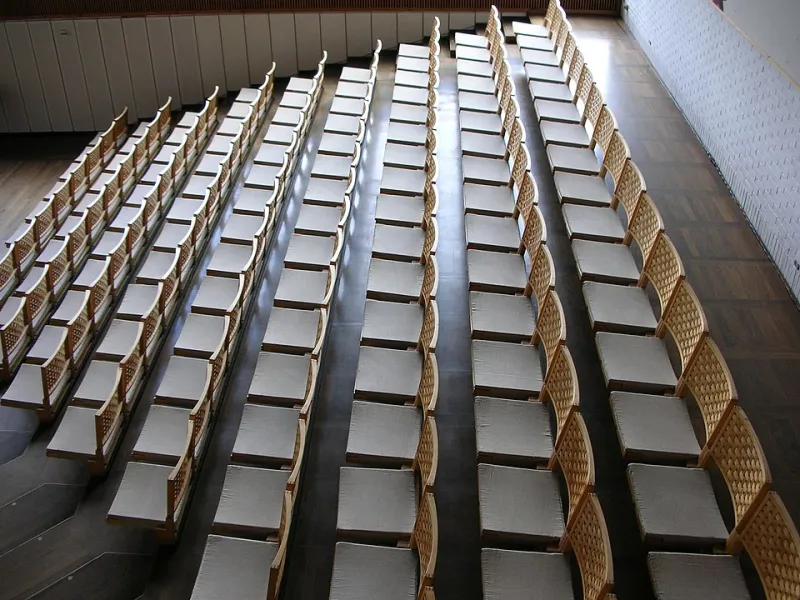
Photo by Photo by Shigeki Wakabayashi on Unsplash on Unsplash
Let's set the scene. You've scored tickets to a show at one of Shiodome's live venues — maybe it's a Japanese act you've been following online, maybe it's an international headliner doing a Tokyo date. You've made the trip, you've found the venue (no small feat), and you're feeling pretty good about yourself. Then the show starts and nothing, absolutely nothing, behaves the way you expected.
Welcome to the Japanese concert experience. It's better than what you're used to. It's also genuinely different in ways that can trip you up if you walk in unprepared.
The Silence Will Throw You Off
This is the thing that gets American attendees first, every single time. In the US, concert silence is basically a myth. Between songs, during quiet passages, even sometimes during the songs themselves — there's crowd noise. Chatter, phones going off, someone near the back yelling something. It's ambient, it's expected, and most of us have stopped noticing it.
At a Shiodome show, the silence between songs is real. Like, actually real. The kind of silence where you become suddenly aware of your own breathing. The crowd isn't being cold or disengaged — they're being respectful. The performance is the point, and noise that competes with it is considered inconsiderate.
The flip side of this is that when the crowd does respond — during the right moments, in the ways that are expected — it's coordinated and powerful in a way that American crowds rarely manage. More on that in a second.
Applause Has a Rhythm Here
Japanese concert audiences don't just clap. They clap together. If there's a call-and-response moment built into a song, the crowd will nail it. If the artist signals that a clap-along is happening, it locks in almost immediately with a precision that can feel almost rehearsed.
For American fans used to crowds that kind of loosely approximate a beat, this is genuinely impressive to witness. It also means the energy in the room is more directed — it goes somewhere specific rather than diffusing into general noise.
The key thing to know is that following along, even imperfectly, is welcomed. You don't have to be perfectly in sync to participate. What you want to avoid is creating competing noise during moments when the crowd has gone quiet.
The Merch Line Is a Whole Thing
In the US, concert merch is something you grab if you happen to notice the table on your way in. In Japan — and at Shiodome venues specifically — the merch situation is a dedicated pre-show ritual with its own culture and etiquette.
Lines form early. Sometimes very early. Fans often have specific items in mind, and the selection tends to be more extensive than what American fans are used to: tour-specific items, venue-exclusive pieces, sometimes multiple versions of the same item. Limited availability is common and taken seriously.
If you want merch, budget time for it. Plan to arrive at the venue well before doors. And don't be surprised if the line has its own informal organization — people tend to queue with patience and order that would make a New Yorker's head spin.
Venue Layout Feels Different
Shiodome's major live venues are generally designed with sightlines and acoustics as the priority, which sounds obvious but plays out differently than most US venues. Assigned seating is common even for shows that would be general admission back home. The floor sections that exist are often more orderly than the GA pits American rock fans are used to — less pushing, more intentional use of space.
This can feel weirdly calm if you're used to fighting for position at a show. It can also feel more inclusive — you're not penalized for not showing up four hours early just to stand near the front.
For theater-style shows at Shiodome's more formal spaces, the setup will feel closer to what you'd expect at a Broadway house, with the added detail that late entry is genuinely frowned upon. If the show starts at 7, be in your seat before 7.
Fan Communities Are Organized Differently
Japanese fan communities — particularly for J-pop acts and established domestic artists — operate with a level of organization that American fandoms are only starting to approach. Official fan clubs are common, and membership often comes with real perks: priority ticketing, exclusive merchandise access, designated seating areas.
If you're attending a show by a Japanese artist and you're not a fan club member, you may notice sections of the crowd that seem to have coordinated light sticks, matching accessories, or synchronized responses. That's not spontaneous — it's organized, and it's been planned in fan community spaces well before the show.
You don't need to be part of this to enjoy the show. But understanding that it exists helps explain why some parts of the crowd seem to know exactly what to do at exactly the right moment.
Practical Tips Before You Go
A few things that will make your Shiodome show experience smoother:
Bring cash. Many venues and merch operations still run primarily on cash. ATMs inside convenience stores near Shiodome are your friend.
Download the venue's app or check their site in advance. Shiodome venues often post detailed access guides, bag policies, and prohibited items lists. These are worth reading — policies can vary significantly between spaces.
Don't film everything. Recording policies differ by show and artist, but even where filming is technically permitted, pointing a phone at the stage for extended periods is generally considered bad form. Be present.
Learn a few words. You don't need to speak Japanese to navigate a Shiodome show, but knowing how to say "excuse me" (sumimasen) and "thank you" (arigatou gozaimasu) will smooth over a lot of small interactions.
The Payoff Is Real
Here's the honest truth: once you adjust to the differences, attending a concert in Shiodome is one of the best live entertainment experiences you can have anywhere. The attentiveness of the crowd elevates every performance. The organization removes a lot of the friction that makes US shows exhausting. And the energy, when it builds, builds in a way that feels earned rather than manufactured.
American fans who've been to shows in Shiodome consistently report that it changes how they think about live music — not because Japan does it better, exactly, but because it does it differently in ways that reveal how much ambient noise and chaos we've just accepted as part of the deal back home.
Go in knowing what to expect. Leave the habits that don't serve you at the door. And let the room teach you something.