Your Complete First-Timer's Playbook for Experiencing Shiodome's Theater Scene
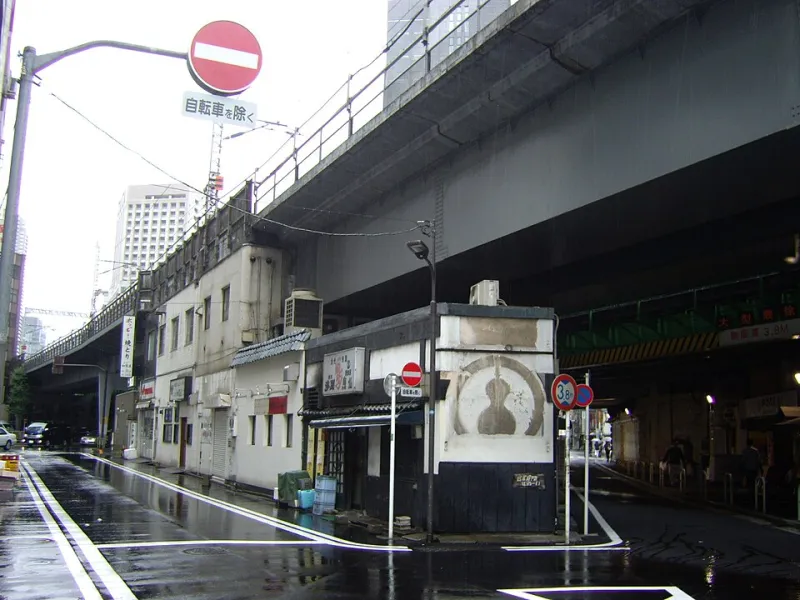
Photo: 電車(新幹線)でゴー!, CC BY-SA 4.0, via Wikimedia Commons
Let's be honest — planning a night out at a Tokyo theater when you're flying in from the States can feel a little overwhelming. The language barrier, the ticketing systems, the unspoken rules of Japanese audience etiquette — it's a lot to take in before you've even picked a show. But here's the good news: Shiodome is one of the most visitor-friendly entertainment districts in all of Japan, and with a little prep work, your first live experience here can be genuinely unforgettable.
This guide is designed to walk you through everything, step by step. Think of it as the advice you'd get from a friend who's done this a dozen times.
Understanding What Shiodome Actually Is
Before we get into logistics, a quick geography lesson. Shiodome sits in the Minato ward of central Tokyo, sandwiched between the glittering towers of the Caretta Shiodome shopping complex and the waterfront Hamarikyu Gardens. It's a neighborhood that somehow manages to feel both ultramodern and deeply rooted in Japanese culture at the same time.
The entertainment district here isn't a single street or a clustered Broadway-style block — it's woven into the fabric of the broader Shiodome development. Concert halls, intimate live music venues, and performance theaters are spread across the area, connected by covered walkways and elevated pedestrian bridges. Getting comfortable with that layout early makes everything else easier.
Booking Your Tickets Before You Land
This is the single most important thing you can do ahead of your trip. Popular shows in Shiodome — especially touring international productions and high-profile J-pop concerts — sell out weeks, sometimes months, in advance. Waiting until you arrive is a gamble most first-timers regret.
Shiodome Live (that's us) makes it easy to browse upcoming events, compare seating options, and purchase tickets in English before you even pack your bags. The platform is designed specifically with international visitors in mind, so you won't find yourself fumbling through a Japanese-only checkout process.
A few practical tips for the booking stage:
- Check for English-language show options. Many productions in Shiodome offer multilingual subtitles or English program booklets. These are typically flagged in the event listing.
- Choose your seats strategically. Japanese theaters often have very specific seating tiers. Orchestra seats (called ikkai or first floor) offer the closest view, while the balcony levels — nikai and sankai — provide excellent sightlines at lower price points.
- Look for combo deals. Some venues partner with nearby restaurants to offer pre-show dining packages. These can save you both time and money on what's often the trickiest part of the night — finding dinner in an unfamiliar city.
Getting There Without the Stress
Shiodome Station is your primary access point, served by both the JR Yurikamome Line and the Toei Oedo subway line. From major tourist hubs like Shinjuku or Shibuya, you're looking at a 20–30 minute commute on average. Google Maps works reliably in Tokyo, and the station signage throughout the Shiodome complex is bilingual, so navigation is far less daunting than it sounds.
One thing worth noting: Japanese trains run on a strict schedule, but they also stop running around midnight. If your show runs late — some concerts don't wrap until 11 p.m. or later — make sure you know your last train time or have a taxi budget ready. Apps like JapanTaxi (now GO) make hailing a cab straightforward even without Japanese language skills.
The Unwritten Rules of Japanese Theater Etiquette
This is where a lot of American visitors get caught off guard, not because the rules are complicated, but because they're different from what we're used to back home.
Silence is golden. Japanese audiences are remarkably quiet during performances. Unlike a Broadway show where you might hear applause between big numbers or the occasional audience reaction, Tokyo theaters tend toward a more reserved atmosphere during the actual performance. Save your enthusiasm for the curtain call — and trust us, when Japanese audiences do applaud, it's enthusiastic.
Phones go away completely. Not on silent, not face-down on your lap. Away. Photography and video recording are strictly prohibited in most venues, and ushers will ask you to put your device out of sight. This is enforced more seriously than you might expect.
Arrive early. Japanese venues open their doors 30–45 minutes before showtime, and a significant portion of the audience will already be seated 15 minutes before curtain. Latecomers are typically held in a lobby area until a suitable break in the performance — so don't cut it close.
Food and drink rules vary. Some venues allow beverages in the hall; others don't. Check your specific venue's policy when you pick up your tickets. What's consistent across the board: outside food from street stalls or convenience stores is a no-go inside the theater.
Finding the Best Pre-Show Dinner
Shiodome is genuinely excellent for pre-show dining, with options ranging from quick ramen counters to full-service kaiseki restaurants. The Caretta Shiodome complex houses dozens of restaurants across multiple floors, making it the easiest starting point for first-timers.
For American visitors who want something familiar with a Japanese twist, the Italian and French restaurants in the complex offer Western-style menus with locally sourced Japanese ingredients — a nice middle ground if you're not ready to fully commit to raw fish before a three-hour concert.
If you want to eat like a local, head toward the basement level of any nearby office tower. Tokyo's underground restaurant floors — called depachika when attached to department stores — often house some of the best affordable meals in the city. Look for the line of salarymen; that's usually a reliable quality indicator.
Reservations are strongly recommended for sit-down restaurants on weekend evenings. Many places now accept online bookings through platforms like Tabelog or OpenTable's Japan listings.
Reading the Multilingual Signage
Shiodome is one of Tokyo's most international-facing districts, partly because of its proximity to major business hotels and the international media companies headquartered in the area. As a result, English signage is more prevalent here than in many other Tokyo neighborhoods.
That said, you'll still encounter Japanese-only menus, venue maps, and announcements. A few tools that make life easier:
- Google Translate's camera feature can translate printed Japanese text in real time through your phone camera. It's not perfect, but it handles menus and signs well enough.
- Download an offline map. Apps like Maps.me allow you to pre-download the Minato ward area so you're not dependent on data connectivity in underground stations.
- The Shiodome Live app includes venue maps and event-specific information that doesn't require you to read Japanese to navigate.
After the Show
The post-show experience in Shiodome deserves its own mention. Unlike many US entertainment districts that feel deserted after curtain, the area around Shiodome stays active well into the night. The elevated walkways connecting Caretta Shiodome to the waterfront offer stunning nighttime views of Tokyo Bay and the Sumida River.
Many theatergoers head to the izakayas (Japanese gastropubs) clustered near the station exits for post-show drinks and small plates. It's a great way to decompress, talk about the performance, and experience a side of Tokyo nightlife that most tourists miss entirely.
Your first Shiodome show won't be your last. That's not a prediction — it's basically a guarantee.