J-Pop, International Headliners, and the Shows You Didn't Know You Needed: Your Season-by-Season Concert Planner for Shiodome
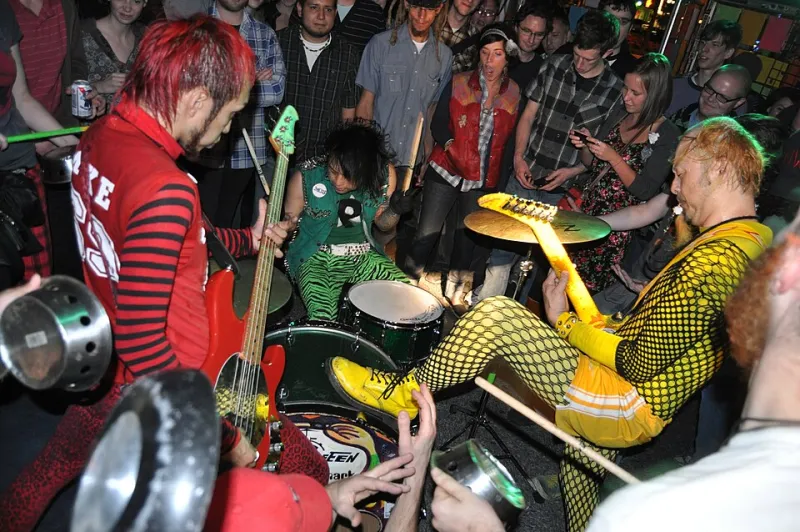
Photo: Ian T. McFarland from Los Angeles, USA, CC BY-SA 2.0, via Wikimedia Commons
Let's be honest: most Americans who visit Tokyo for the first time aren't thinking about the concert calendar. They're thinking about ramen, Shibuya Crossing, and maybe a day trip to Kyoto. Music is an afterthought — something you stumble into, if you're lucky.
But here's the thing. Shiodome's live entertainment scene is genuinely one of the best reasons to plan a trip around specific dates rather than just picking a week that works. The district pulls in a staggering range of performances throughout the year, from J-Pop heavyweights selling out multi-night residencies to international touring acts that add Tokyo to their global runs specifically because of Shiodome's reputation as a world-class live music destination.
If you're willing to do a little planning, the shows you can catch here will be some of the most memorable experiences of your trip. Here's how to approach the calendar.
Spring (March–May): The Season That Delivers Everything
If you can only visit Shiodome once for the express purpose of catching live music, spring is your window. The period from late March through May is consistently the busiest and most varied stretch of the concert calendar.
Japanese artists time major tour launches to align with the fiscal and academic new year, which means a flood of new album cycles, comeback tours, and special anniversary performances hitting Shiodome stages in this window. J-Pop acts that have been building anticipation through winter release cycles tend to hit their peak production values in spring shows — elaborate staging, full choreography teams, the works.
Spring also coincides with cherry blossom season, which draws international visitors to Tokyo in enormous numbers. Savvy touring agents know this, and international bookings cluster here accordingly. If a Western artist you follow has a Tokyo date on an Asia tour, there's a strong chance it falls in late March, April, or early May.
Booking tip: Spring tickets move fast. For any show you're genuinely excited about, aim to purchase at least six to eight weeks out. VIP packages for major J-Pop acts often sell out within hours of going on sale — set a calendar reminder for the on-sale date and have your Shiodome Live account ready.
Summer (June–August): Festival Energy and Outdoor Stages
Summer in Tokyo is hot and humid in a way that will surprise visitors who aren't prepared for it. But the concert energy is electric. Shiodome's outdoor and semi-outdoor performance spaces come alive during this period, with a festival-style atmosphere that feels genuinely different from the polished indoor shows of spring.
The Caretta Shiodome plaza area hosts a rotating series of evening performances during summer weekends — many of them free or low-cost — that showcase emerging Japanese artists alongside established acts doing stripped-down sets. These shows are a fantastic way to encounter music you'd never find on a Spotify algorithm. Think indie J-Rock bands with a cult following, jazz fusion groups, and the occasional surprise appearance from a major artist doing an unannounced acoustic set.
Indoor venues run their air conditioning hard during summer and host a solid slate of international touring acts taking advantage of the season's travel momentum. Electronic music and dance-focused performances also peak in summer, with several Shiodome venues doubling as late-night event spaces.
Hidden gem alert: The smaller club-style venues tucked into Shiodome's lower-level retail and entertainment floors book some genuinely outstanding acts during summer without the arena-scale crowds. Capacity runs anywhere from 200 to 800 people. The intimacy is something you simply can't replicate in a 10,000-seat hall, and ticket prices are a fraction of the big shows.
Fall (September–November): The Underrated Sweet Spot
Fall doesn't get enough credit in Shiodome's concert conversation, and that's actually good news for travelers. The weather is comfortable, the tourist crowds thin out compared to spring and summer, and the concert calendar is still remarkably active.
Japanese artists who launched spring tours often bring updated productions back through Shiodome for fall encore runs, sometimes with new setlists and additional production elements. International acts returning from summer festival circuits frequently add Tokyo dates to fall legs of their tours, treating Shiodome as a prestige stop rather than a routine booking.
Fall is also when some of the district's most interesting cross-cultural programming happens — collaborative concerts featuring Japanese and international artists sharing a bill, genre-blending events that don't fit neatly into any category, and theatrical concert experiences that blur the line between live music and performance art.
Booking tip: Fall tickets often have better availability than spring, but don't take that for granted for any show you're specifically targeting. Check Shiodome Live's calendar two to three months ahead of your trip and lock in anything that catches your eye.
Winter (December–February): Intimate, Festive, and Surprisingly Underbooked
Winter is the most underestimated season for Shiodome concerts among American visitors. Yes, the big touring cycles have largely wound down by December. But what fills the calendar instead is genuinely special.
The holiday season brings a wave of themed concert events — orchestral Christmas programs, end-of-year retrospective shows from major J-Pop artists, and New Year's countdown performances that are unlike anything you'd experience at a Times Square party. The atmosphere in Shiodome during late December is festive in a way that feels specific to the district, with the surrounding architecture lit up and the audience energy running high.
January and February are quieter, which means smaller venues get their moment. This is when you're most likely to stumble into a 300-person show featuring an artist who will be selling out 5,000-seat halls within two years. The discovery factor is real.
Navigating VIP and Premium Experiences
For American visitors accustomed to the Ticketmaster VIP package ecosystem, Shiodome's premium ticketing options will feel both familiar and noticeably different. Fan club pre-sales are a significant part of how major J-Pop concert tickets are distributed, which means some of the best seats technically require membership in an artist's official fan club — a process that's navigable but requires advance planning.
For international visitors without fan club access, Shiodome Live's platform aggregates official premium ticket inventory across venues and provides English-language support for the purchasing process. VIP packages at Shiodome's larger venues typically include early entry, premium seating zones, and occasionally merchandise bundles or pre-show access areas. They're worth the premium for a headlining show you've specifically traveled to see.
The Bottom Line
Shiodome's concert calendar rewards planning, but it also rewards curiosity. Some of the best shows you'll catch here won't be the ones you researched — they'll be the ones you discovered by scrolling through the listings a week before your trip and taking a chance on a name you didn't recognize.
That's part of what makes this district special. Whether you're flying in specifically for a J-Pop icon's anniversary tour or you're a first-time Tokyo visitor who just wants to hear something live on a Tuesday night, Shiodome has a room and a show waiting for you. The calendar is long. The music is good. The only real mistake is not booking anything at all.